

Back pain and stress are two of the most common issues for workplace employees.
In Australia, where many professionals spend six to eight hours a day in front of a computer, sitting for long periods is almost unavoidable. Unfortunately, poor seating puts unnecessary strain on the body – leading to fatigue, discomfort, and reduced productivity.
The right office chair, however, can make a measurable difference.
What Causes Back Pain from Sitting Too Long?
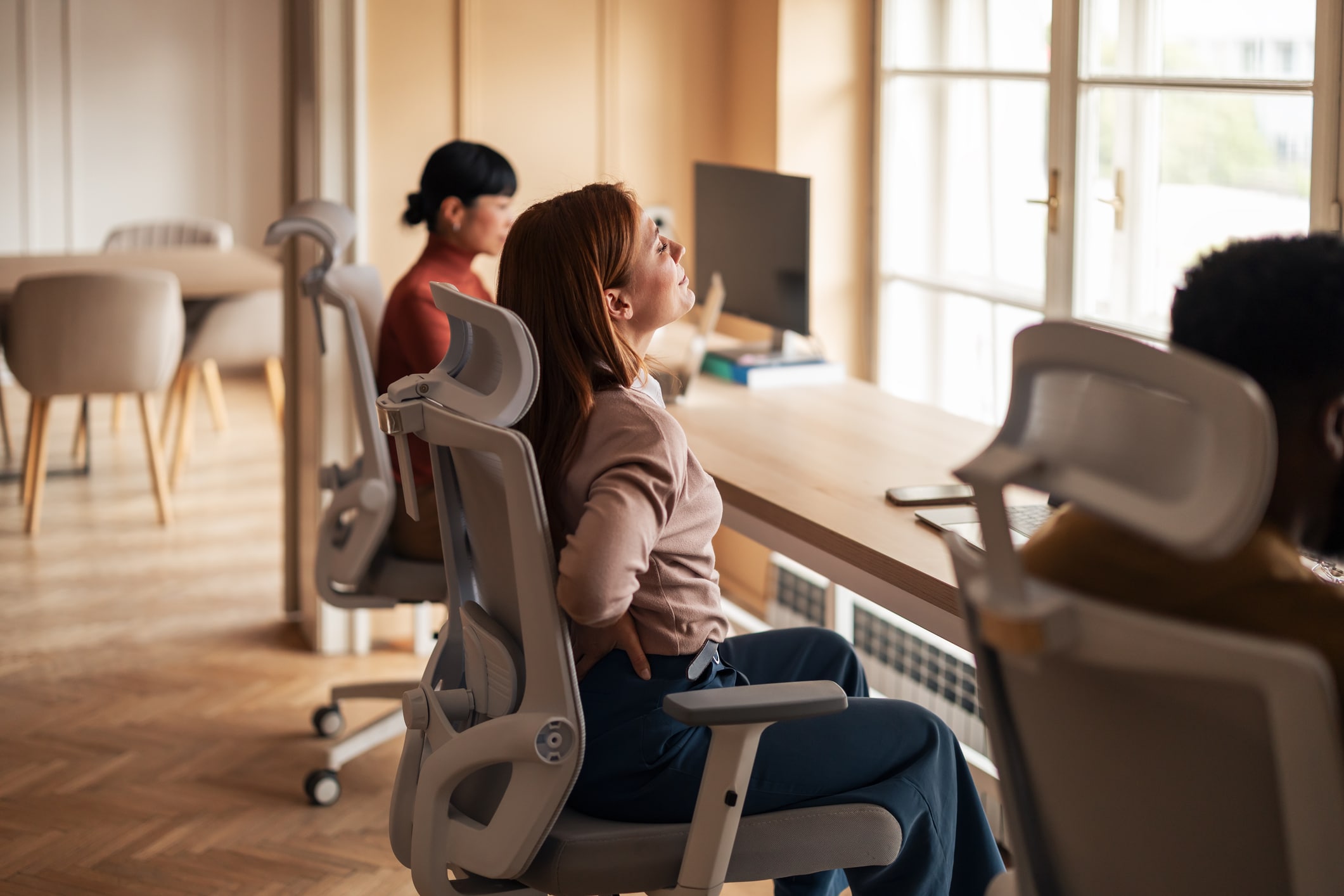
Do you often get stiffness or lower back pain after sitting long hours at your desk? While posture plays a role, the chair you sit on is often the biggest culprit. Many standard office chairs fail to provide adequate support, forcing the spine into awkward positions. Without proper lumbar support, the lower back bears the pressure – leading to aches, stiffness, and even chronic pain.
Poor posture also strains muscles as the body compensates, with tension building around the hips, shoulders and neck. This not only reduces blood flow but also makes discomfort worse over time.
And it’s not just physical. Sitting uncomfortably day after day can increase mental fatigue, making it harder to concentrate, stay engaged, and manage stress levels effectively.
Can an Ergonomic Chair Help You Fight Office Stress?
A well-designed ergonomic chair does far more than ease back pain – it also helps reduce stress in the workplace. Proper support allows employees to sit comfortably for extended periods without constant shifting and fidgeting. This comfort minimises physical strain, which in turn lowers daily stress levels.
Better posture also improves breathing, circulation, and oxygen flow to the brain. The result? Sharper focus, higher energy, and fewer dips in concentration throughout the day. Employees are less distracted by discomfort and more engaged in meaningful work.
More Than a Chair – A Strategic Tool for Health and Productivity
Workplace ergonomics isn’t just about comfort – it’s about prevention. Musculoskeletal disorders account for roughly 60% of all occupational injuries in Australia, costing employers an estimated AUD 24 billion per year (ScienceDirect).
By investing in ergonomically-sound chairs and environments, businesses actively reduce risk and boost productivity.
Here’s the Study Report from A&M Ergonomics Center
Research consistently shows that a well-designed chair can actively reduce stress. A landmark study by the Texas A&M Ergonomics Center (Herman Miller) compared different types of office chairs and their impact on stress and cognitive performance.
The findings included:
- In seven out of nine tests, participants recorded a lower heart rate variability (HRV) ratio while sitting in the high-back Cosm chair. A lower HRV ratio is a recognised indicator of reduced stress and greater relaxation.
- During the Set-Shift test, participants made decisions faster without losing accuracy.
- In the Flanker test (which assesses attention and neural efficiency), users displayed improved neural efficiency over time when supported by proper ergonomics.
These results demonstrate that ergonomic office chairs improve both physical comfort and mental performance.
For Australian businesses, this highlights the value of investing in ergonomic seating as part of a broader workplace wellbeing strategy.
What Makes a Chair Ergonomic?
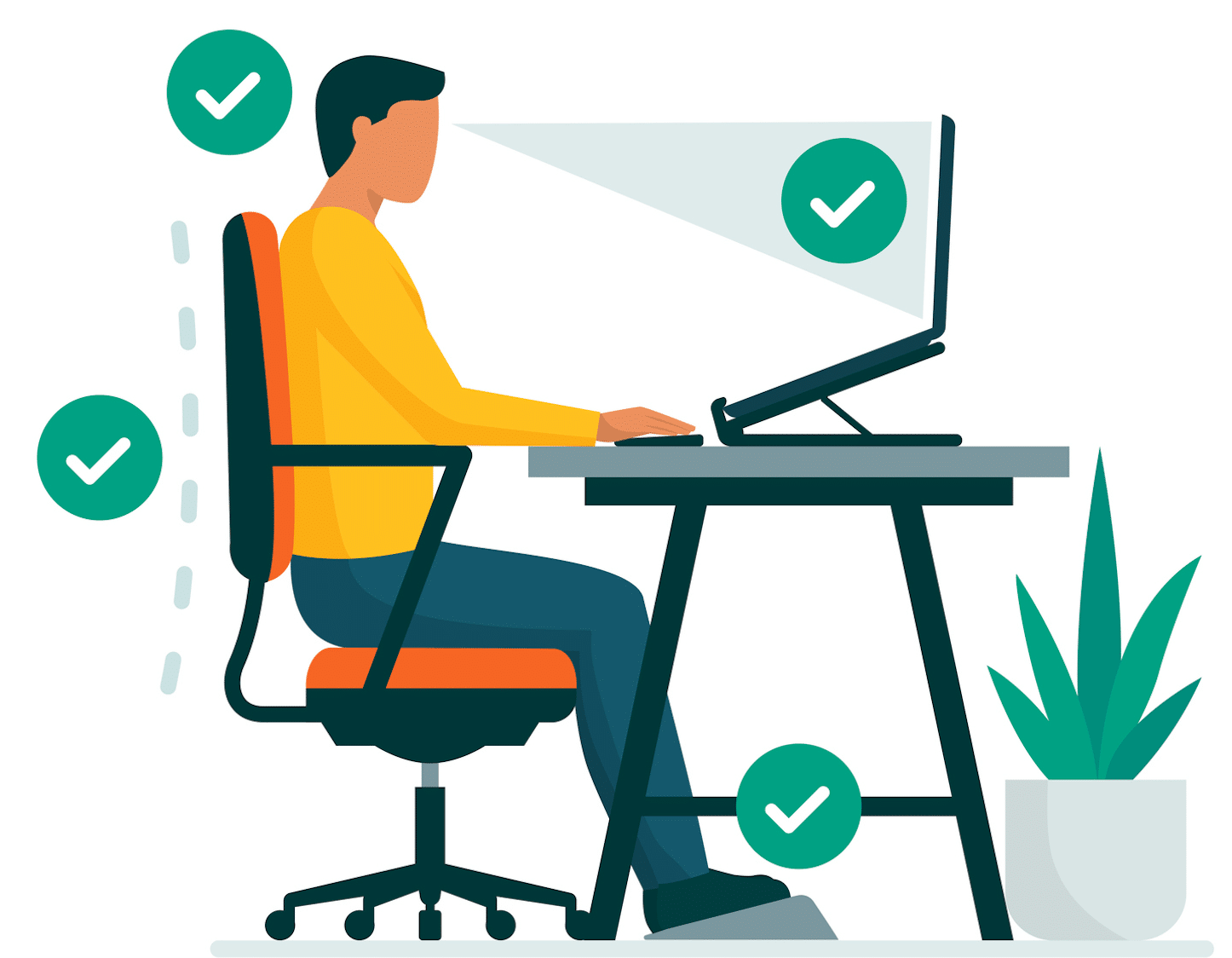
Not every office chair is truly ergonomic. A genuine ergonomic chair is designed to support the body during long work hours, reducing strain and promoting healthier posture. The best models share several key features:
- Adjustable Seat Height: Ensures feet rest flat on the floor, with knees at a 90-degree angle – supporting circulation and reducing leg fatigue.
- Adjustable Armrests: Allow shoulders to relax and elbows to stay supported, helping prevent tension in the neck and upper back.
- Lumbar Support: Proper lumbar support aligns with the natural curve of the spine, reducing lower back pain.
Seat Depth Control: Distributes weight evenly and prevents pressure points behind the knees, making long sitting periods more comfortable. - Breathable Materials: Mesh or breathable fabrics keep employees cool and comfortable, even in warmer office environments.
- Supportive Backrest: Follows natural posture shifts throughout the day, encouraging movement and reducing stiffness.
When all these elements work together, the result is not just comfort but a healthier, more productive workforce
Health Benefits of Using Ergonomic Chairs
Ergonomic office chairs deliver a wide range of health benefits for employees, whether working in an office or from home. By supporting the body’s natural posture, they help prevent common workplace health issues that affect productivity and wellbeing.
Key advantages include:
- Back Pain Relief: Supports the natural spine curve, reducing lower back strain.
- Better Blood Circulation: Encourages subtle movement and posture changes, maintaining circulation.
- Reduced Stress and Fatigue: Comfort reduces distractions, boosting focus and morale.
- Long-Term Health Protection: Lowers the risk of musculoskeletal disorders and repetitive strain injuries.
In Australia, musculoskeletal injuries account for over 50% of all serious workers’ compensation claims, costing billions in lost productivity each year (Safe Work Australia). Investing in ergonomics is one of the most effective ways to protect employees and reduce costs.
By choosing the right ergonomic chair, organisations can save employees from years of discomfort and avoid the long-term medical and productivity costs associated with poor posture and unsafe seating.
How Do I Choose a Chair for Back Pain?
If you are choosing a chair specifically to reduce back pain, there are a few essential features to look for:
- Adjustable Lumbar Support: Look for chairs with adjustable lumbar support. The Titan Executive Chair High Back offers adjustable support designed to reduce lower back pain.
- Tilt Mechanisms: The ability to recline and shift posture throughout the day encourages movement, reduces spinal pressure, and prevents stiffness.
- Seat Height & Desk Alignment: Your chair should allow elbows to remain level with your work surface. This ensures shoulders stay relaxed and reduces tension in the neck and upper back.
Before buying, it is a good idea to test a chair for comfort and posture fit. Keep in mind that factors such as body type, working hours, and desk setup will all influence which chair works best for you.
Which Is the Best Ergonomic Chair for Back Pain?
There’s no single “best” ergonomic chair for everyone. The right choice depends on factors such as your body size, posture needs, comfort preferences, and budget. That’s why Mitronics offers a wide range of ergonomic office chairs from leading brands including HP, Aero, Jirra, Serati, and YS Design.
Mitronics also offers flexible hire or lease (12 months+) office chair options, making it easier for Australian businesses to upgrade seating without a large upfront investment.
Each model provides:
- High-quality support for reducing back pain and fatigue.
- Adjustable features for a tailored fit.
- Durable design built for everyday use in busy workplaces.
The key is finding a chair that matches your individual needs and helps maintain healthy posture throughout the workday.
Explore Mitronics’ full collection of ergonomic chairs and office chairs today and find the design that keeps your team comfortable, productive and supported.
Beating Back Pain at Work: Practical Tips for Office Workers
An ergonomic chair is a smart solution, but it should be part of a bigger strategy for workplace health. Here are some practical steps to prevent and relieve back pain.

1. Prioritise Movement and Breaks
- Take short breaks every 30–60 minutes to stand, stretch, or walk.
- Alternate between sitting and standing with a height-adjustable desk if available.
- Use phone calls as an opportunity to pace or move around.
2. Stretch and Strengthen
Incorporate desk-friendly stretches into your day:
- Standing Backbend: Place your hands on your lower back and gently arch backward.
- Seated Spinal Twist: Rotate your upper body side to side while seated.
- Cat-Cow Stretch: On hands and knees, alternate arching and rounding your back.
Strengthening exercises such as planks, bridges, and bird-dog exercises can also help build core stability, which supports the spine.
3. Supportive Lifestyle Habits
- Stay hydrated to keep spinal discs healthy
- Maintain a healthy weight to reduce pressure on your back.
- Choose supportive footwear to promote good posture.
- Manage stress through deep breathing, mindfulness, or short meditation sessions to ease muscle tension.
Together with an ergonomic chair, these habits form a holistic approach to workplace health – one that protects your body and improves daily performance.
Conclusion
Ergonomic chairs are more than just comfortable seating – they’re an investment in employee wellbeing, productivity, and long-term health.
Research shows that ergonomic office furniture reduces back pain, improves posture, and lowers stress. For Australian businesses, upgrading to ergonomic seating isn’t just about comfort – it’s about reducing injury risk, boosting morale, and driving sustainable performance.
Ready to create a healthier workplace? Explore Mitronics’ full range of ergonomic chairs and office furniture, available Australia-wide with flexible purchase, hire, or lease (12 months+) options.