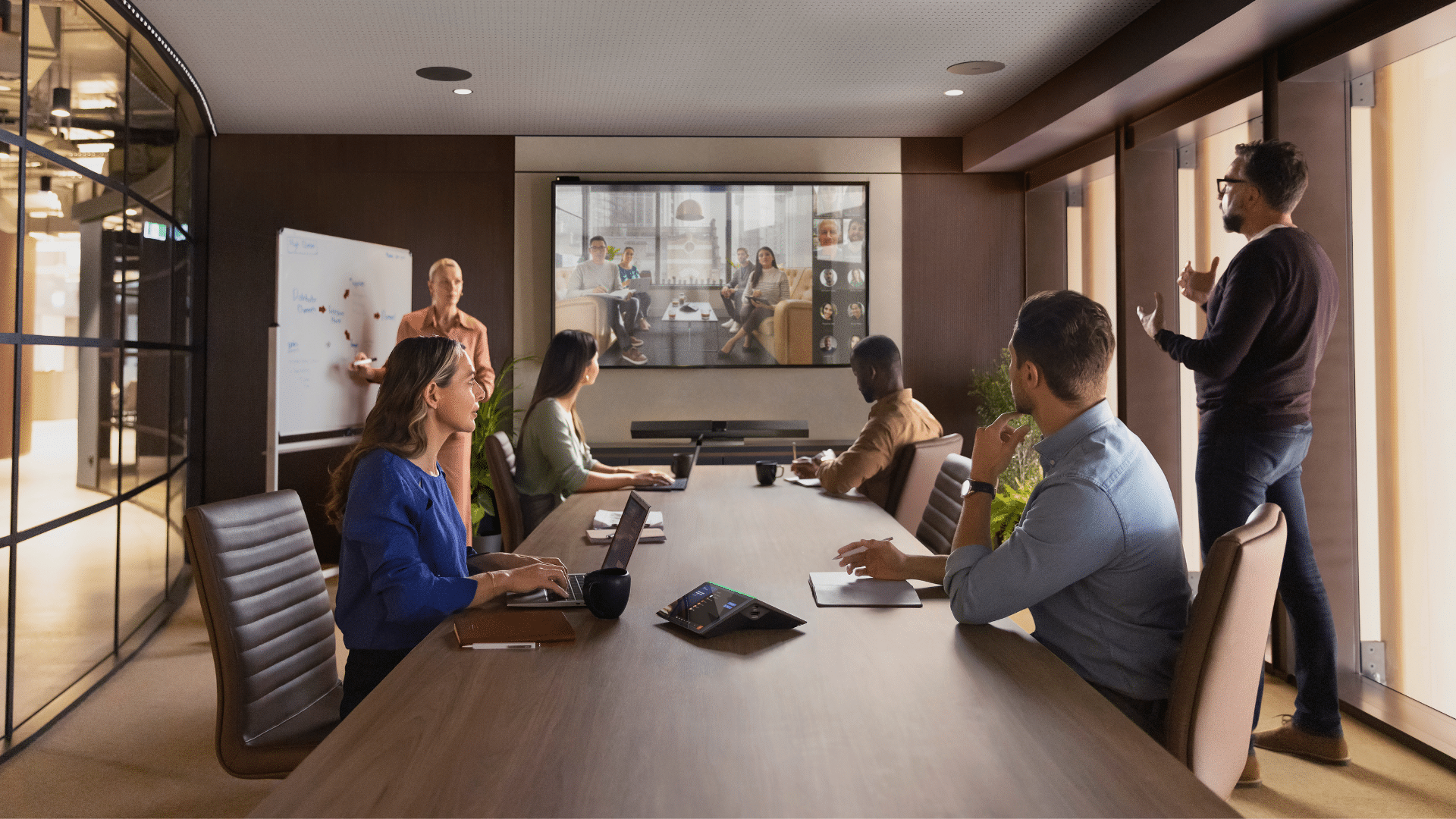



Sydney’s CBD is in the middle of a flight to quality. Businesses may be rethinking how much office space they need, but they’re becoming more selective about the space they keep.
Hybrid work is now common across many Sydney businesses, particularly in professional CBD workplaces. When employees make the commute to the city, the office needs to offer something they can’t get at home.
A true destination workplace gives people access to things that are difficult to replicate at home: purpose-built ergonomic workstations, dedicated spaces for deep focus and private calls, rooms designed for face-to-face collaboration, social areas that bring teams together, and commercial-grade technology and infrastructure built to perform at scale. This is what makes an office a true destination workplace. A space designed to make the working day more comfortable and more productive once people arrive.
Earning the Commute: What the Modern Sydney Worker Expects
People love staying home.
There’s no commute. The coffee is exactly how you like it, and you can control the environment around you. So, if employees are making the trip into Sydney CBD, the office has to offer something genuinely better in return.
That might be a nice fitout. Better spaces to work alongside their team, reliable technology, private spaces and the freedom to move to a new setting when they feel like a change in scenery.
Interestingly, Gensler’s 2025 workplace research found that “nature retreat” workplace experiences appealed to Australian workers across generations, reflecting a broader preference for workplaces that feel less traditionally corporate and more connected to nature. For office design, that can translate into choices such as warmer finishes, timber-look surfaces and softer, more relaxed furniture settings.
Designing for Long-Term Physical Health
Australian workers spend around 76% of their working time sitting. SafeWork NSW recommends breaking up prolonged sitting, regularly changing posture and introducing sit-stand desks where appropriate.
Comcare also identifies poor posture as a common contributing factor to musculoskeletal disorders and recommends workstation equipment that can be adjusted to individual needs.
Employees increasingly expect the workplace itself to support their wellbeing.
Leesman’s workplace research found that only 67% of employees in an average workplace believe their environment positively impacts their overall wellbeing, rising to 81% in its highest-performing workplaces.
So, what does that mean for the workplace? That means adjustable task chairs, sit-stand desks, correctly positioned screens, and accessories that allow employees to configure their workstations to their bodies and change position throughout the day. Mitronics offers commercial-grade ergonomic furniture that enables this flexibility to be built into the workplace.
So, what does a destination office look like in practice? It comes down to three things: better individual workstations, more flexible spaces for different types of work, and shared infrastructure that can perform at its busiest.
Read more on How to Catalyse your Workspace
Ergonomic Workstations & Active Desking
Active desking is about building movement and adjustability into the working day. Height-adjustable desks allow employees to switch between sitting and standing, while ergonomic seating and adjustable screens allow workspaces to be tailored to the individual.
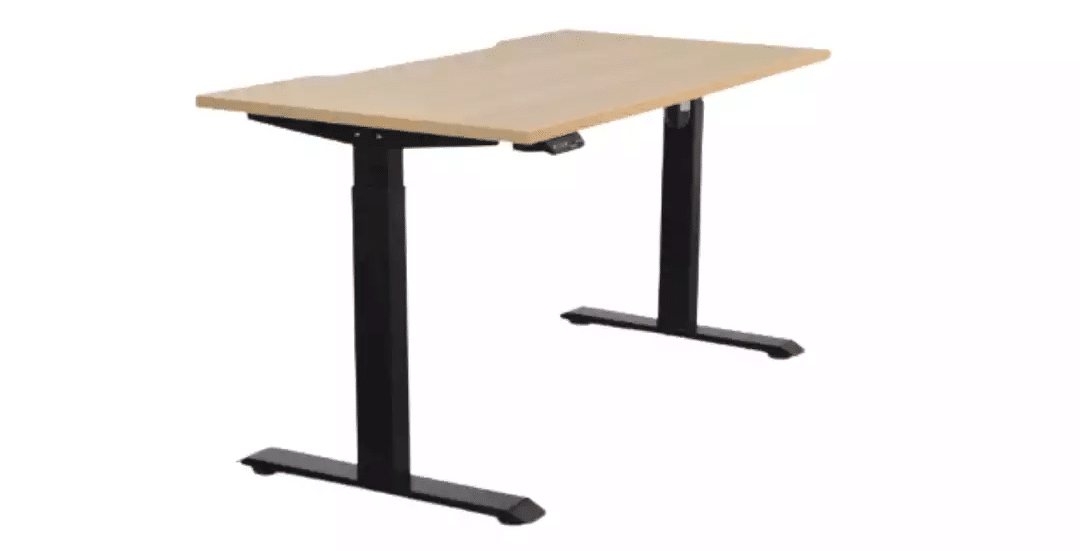
M&R Vertilift Single Motor Height Adjustable Desk
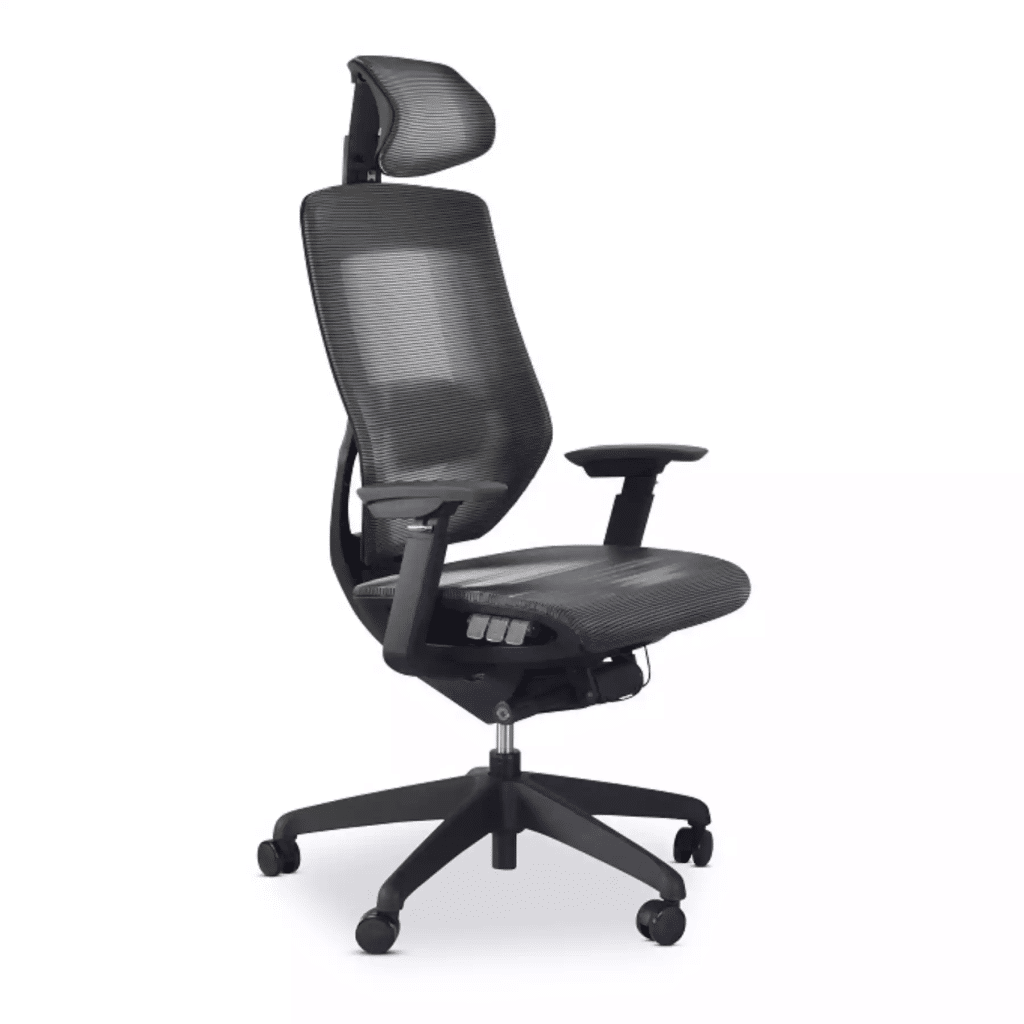
M&R GTB Mesh Office Chair
For example, the M&R Vertilift Single Motor Height Adjustable Desk makes it easy to change working position throughout the day, with an adjustable height range of 700mm to 1170mm and a 120kg load capacity. Pair it with the M&R GTB Mesh Office Chair, which features a supportive mesh seat and back, a 135kg weight rating and BIFMA certification for commercial use.
Hot Desking Without the Hassle
That flexibility becomes even more important as unassigned seating becomes more common. CBRE’s 2025 Australian Office Occupier Survey found 53% of employees were working from unassigned seating, up from 30% in 2019.
A good hot desk should be easy to reset and even easier to connect to. Employees should be able to arrive, plug in, and start working without having to spend time adjusting the desk every morning.
Agile Work Zones for Focus and Collaboration
A desk shouldn’t have to accommodate every type of work. When an office offers different spaces for different tasks, employees can have freedom of movement and choice of where to work.
Zoned Layouts
A good office layout creates balance between energy and concentration.
Open collaborative areas can support team discussions and problem-solving, while quiet zones should offer people somewhere to focus, away from distractions.
This kind of zoning is particularly important in high-occupancy Sydney CBD offices, where the same floor may need to accommodate individual work, video calls, and team meetings simultaneously.
Acoustic Privacy Pods and Screens
Open-plan offices can make teamwork easier, but they can also make concentration harder.
Research from the University of Sydney found that lack of privacy was a stronger predictor of acoustic dissatisfaction than noise disturbance itself, highlighting how disruptive it can be to hear – and be heard by – colleagues throughout the working day.
A conversation at the next desk or a Teams call across the room can become meaningful distractions when there is nowhere else to go.
Acoustic screens, partitions and privacy pods can help create separation without turning the office back into a collection of closed rooms.
A focus pod can give someone somewhere to take a call. A desk screen can create a little more visual and acoustic separation. And a properly planned quiet zone can provide a refuge from the buzz of the workplace.
Breakout and Social Hubs
Not every productive interaction belongs in a meeting room.
A comfortable lounge, breakout table or informal seating area can create space for spontaneous conversation. Catching up with a colleague, solving a problem over coffee or having a quick discussion without the calendar invitation.
This is where furniture begins to influence how people use the office.
Softer seating and relaxed breakout areas can help create distinct areas in the workplace while still keeping everyone connected.
Designing for the Midweek Crunch
Across Australia, office utilisation rises significantly on peak days, with Tuesday to Thursday typically seeing the highest attendance. For many CBD businesses, this means a workplace that might feel comfortably spacious on a Monday or Friday can suddenly feel stretched thin mid-week.
This midweek surge doesn’t just test desk and meeting room capacity. It puts pressure on the shared infrastructure that keeps a workplace running: printers, the network, the coffee machine – the amenities everyone relies on at the same time. An office that only performs well when it’s half-empty isn’t really a destination office at all.
Smart Print Infrastructure
Printing is an easy thing to overlook when planning a workplace, up until it becomes a daily source of friction. A queue at a single overworked printer, a document picked up by the wrong person, a device that jams the moment people need it the most. Small problems can compound quickly across a busy office.
Secure swipe-to-print technology solves part of this issue by keeping jobs queued until an employee authenticates at the device with a card or PIN. This type of security is especially important where sensitive client documents and shared devices are part of the workplace.
Pairing this with high-speed multi-function printers (MFPs) means the fleet doesn’t buckle under peak demand. Mitronics’ MFPs combine printing, scanning, and copying into a single reliable unit, with the throughput to handle simultaneous work across a full floor.
Designing an Office Worth the Commute
Good office design starts with the big decisions: how the floor is zoned, where the focus and collaboration zones will be, and how people will move between the two. But a well-designed layout only works if it’s equipped properly. Choosing the right desks, chairs, pods, and printer can be the difference between an office employees merely show up to and a true destination office they choose to walk into.
Pairing thoughtful workplace design with commercial-grade furniture and infrastructure is what separates a space people tolerate from one they willingly come back to.
Elevate your workplace environment with Mitronics
Explore our comprehensive commercial furniture ranges and managed print solutions to fit out your Sydney office for success.
Get in touch to experience the Mitronics difference.