
In many Australian workplaces, sitting for hours at a time is simply part of the workday.
SafeWork NSW reports that Australian workers spend around 76% of their time at work sitting, which equates to about five hours a day.
For office-based teams, it’s easy to picture. Work has become easier to manage from one place. One meeting rolls into another; lunch is eaten at the desk; a full day is spent moving between tabs, calls, and emails, with very limited movement in between.
The trade-off is that movement can quietly disappear from the day. When sitting becomes prolonged and uninterrupted, it can become more than a comfort issue, with excessive sedentary work linked to poorer health.
That is why the ROI of movement matters.
For businesses, movement is not just a wellbeing idea. It can shape how people feel and function throughout the day. A workplace that integrates movement can support better comfort and energy levels throughout the day.
Reducing “sitting disease” is not about removing chairs or asking people to stand all day. It is about designing workspaces and work habits that make movement a more natural part of modern work.
What is “sitting disease”?
Sitting disease is not a formal medical diagnosis, but it’s often used to describe the health risks associated with a sedentary lifestyle that involves prolonged sitting.
These risks include recognised conditions, including cardiovascular disease, heart disease, type 2 diabetes, obesity, musculoskeletal disorders, poor mental health and some cancers.
For office-based teams, prolonged sitting can be easily overlooked because it can easily be seen as normal work. The real concern behind “sitting disease” is not sitting itself, but the lack of regular movement, muscle activity, and posture changes throughout the workday.
The ROI of movement for Australian businesses
The ROI of movement is not only measured in steps. For businesses, it shows up in how employees feel throughout the day.
In Australia, the cost of inactivity is high. The AIHW estimated that in 2018-19, $2.4 billion was spent managing diseases caused by insufficient physical activity. Of that, $1.7 billion was directly attributed to inactivity.
The longer employees sit, the less productive they are likely to feel.
Australia’s BeUpstanding program, developed through research at the University of Queensland, is built around a simple idea: helping desk-based workers sit less and move more at work. The program uses workplace “champions” to guide teams through practical changes, from standing or walking meetings to movement prompts and small adjustments to the physical workspace.
That matters for businesses because it shows movement can be designed into the workday without disrupting work. For businesses, the return comes from helping people stay more comfortable, alert and engaged.
Standing Desks Help – But They Aren’t the Whole Solution
Standing desks can help employees change posture and encourage more movement throughout the day. Standing desks are helpful, yet the goal is not to stand all day.
Recent University of Sydney research found that standing more than sitting did not improve long-term cardiovascular health and could increase the risk of circulatory issues associated with prolonged standing.
The takeaway is simple: the real ROI comes from movement, not from standing for hours.
A sit-stand desk is a great option to encourage employee movement. It supports regular posture changes throughout the day. Sitting for focused work. Standing for shorter tasks or calls. Used well, standing desks are not a replacement for movement, but they are a tool that makes movement easier to incorporate into the workday.
The Standing Desks are available through Mitronics, making it easier for employees to quickly adjust their workstations and move between sitting and standing without interrupting their workflow. Features such as electric height adjustment, memory settings and cable management can help make movement more practical in everyday office use.
That practicality matters. In an Australian Reddit discussion about standing desks, users noted that the real benefit was not just standing, but being able to easily adjust the desk, find the right ergonomic height, and change the setup depending on the task. Others pointed out that motorised desks were far more likely to be used than manual ones, simply because they were quicker and easier to adjust.
Read more: How Growing Sydney Startups Can Fit-Out an Office Without the Upfront Cost
How to Design Movement Into the Workday
Creating a more active workplace doesn’t mean asking employees to stop working and start exercising. In most offices, the best movement habits are small and practical.
It could mean encouraging walking to in-person meetings rather than everyone joining from their own devices, or simply reminding people to change their posture between long blocks of screen time. It could also mean thinking differently about the physical layout of the office: where printers are placed, how breakout areas are used and whether shared spaces give people a reason to step away from their desks.
Furniture also plays an important role. Adjustable workstations and ergonomic seating can make it easier for employees to shift position without disrupting their setup.
Lunch breaks are another overlooked opportunity. In many offices, the issue is that the workday doesn’t really give them permission to step away. Protecting lunch breaks, encouraging short walking groups, or offering lunchtime stretches or yoga sessions can be some good ways to make movement part of workplace culture.
The point isn’t to make movement another to-do. It’s to remove the friction around it. When the workplace supports movement, employees are more likely to move naturally throughout the day without their attention being diverted from work.
Choosing Office Furniture That Supports Movement
Designing the workplace to encourage movement often includes selecting the right furniture. A good place to start is with the parts that your employees interact with the most.
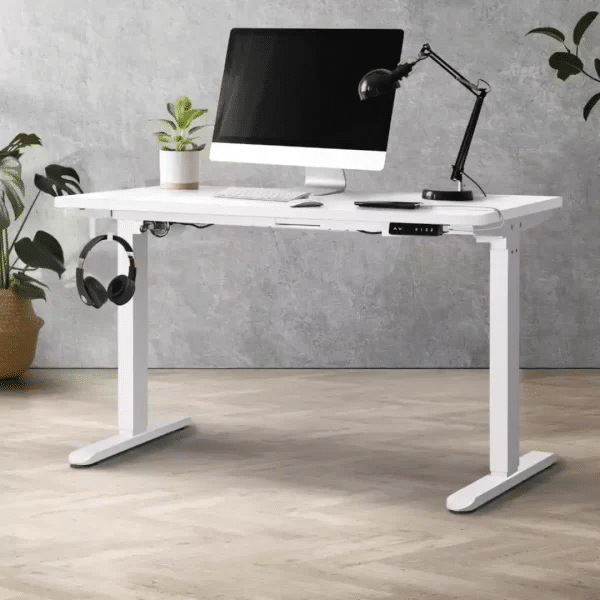
1. Electric sit-stand desks
Electric sit-stand desks make it easier for employees to change posture throughout the day without disrupting their workflow.
2. Adjustable workstations
For businesses not ready to replace every desk, sit-stand office workstation converters can be a practical option. They allow employees to create a more flexible setup on an existing desk, making movement easier without a full office refit.
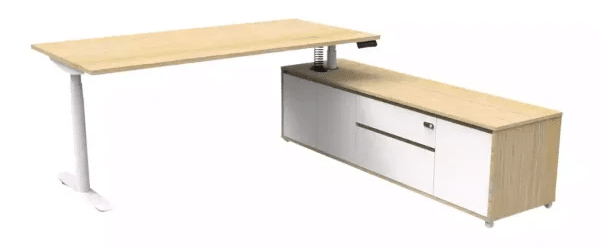
Rapidline Halo+ Executive Standing Workstation
3. Ergonomic chairs
Ergonomic chairs are designed to support posture changes during seated work, helping employees feel more comfortable during focused tasks.
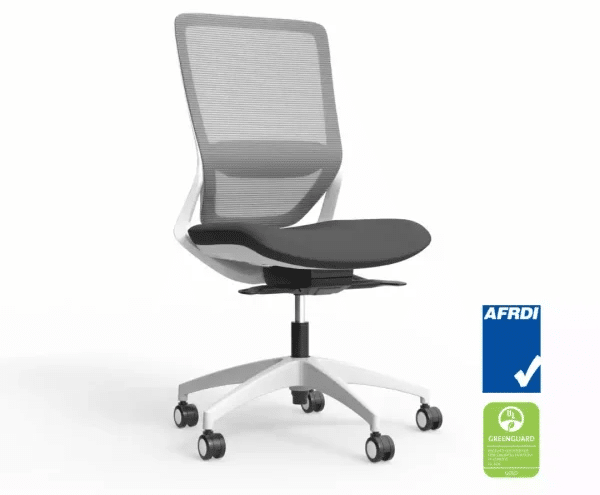
OLG Engage Ergonomic Office Chair
4. Monitor arms
Monitor arms can help employees adjust screen height and position as they move between sitting and standing.
5. Breakout and collaboration spaces
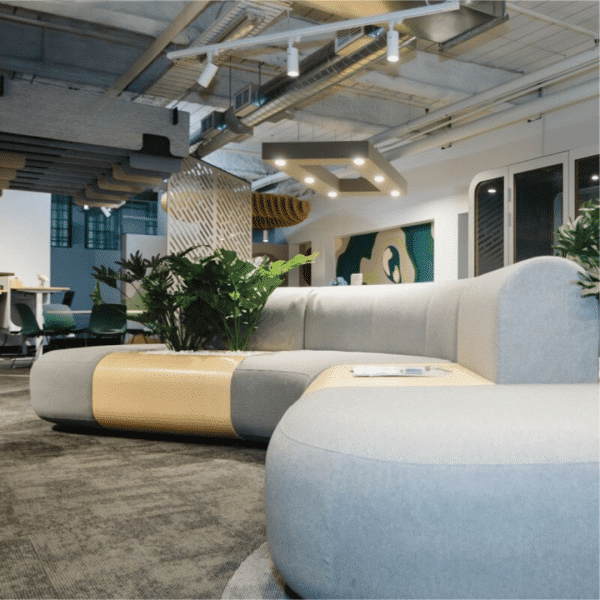
Movement-friendly office furniture design also includes spaces away from the desk. Lounges, breakout areas, and collaboration settings give employees more reasons to leave their workstations and adopt different postures throughout the day.
Why Mitronics is a practical partner for office furniture in Australia
Creating a movement-friendly workplace starts with practical choices. Desks that adjust easily, chairs that support different working postures, well-positioned screens and shared spaces that offer different areas for employees to work.
Mitronics helps Australian businesses bring these pieces together, enabling workplaces to design comfortable spaces that encourage movement and enhance day-to-day flow.
The goal is to build a comfortable office that supports employee well-being by helping people move, focus, and work better.
Speak with Mitronics about office furniture solutions that support a healthier, more flexible workplace.

Roger Amir is the Director of Mitronics Corporation Australia, a leading provider of Office Equipment Supplies, Technology, Photocopiers, and Managed IT Services. He oversees strategic operations, helping Australian businesses optimise their workflows and drive productivity. Roger’s expertise focuses on tailored technology strategies, document management, and business efficiency. Connect with him on LinkedIn.